
Author: Site Editor Publish Time: 2025-07-04 Origin: Site


Table-mounted equipment serves as a backbone for a variety of spaces, from kitchens and workshops to living rooms and offices. One critical yet often overlooked component of table-mounted equipment is the table legs, particularly metal table legs. They not only influence the aesthetics of your furniture but also determine functionality, durability, and practicality. This article will explore the essential aspects of table-mounted equipment, focusing on height requirements, different types of metal table legs, and how to choose the best coffee table legs.
When it comes to table-mounted equipment, the height of the legs plays a crucial role in maintaining usability, comfort, and safety. Whether you're building a dining table, workbench, or coffee table, let's look at the standard height requirements and considerations involved.
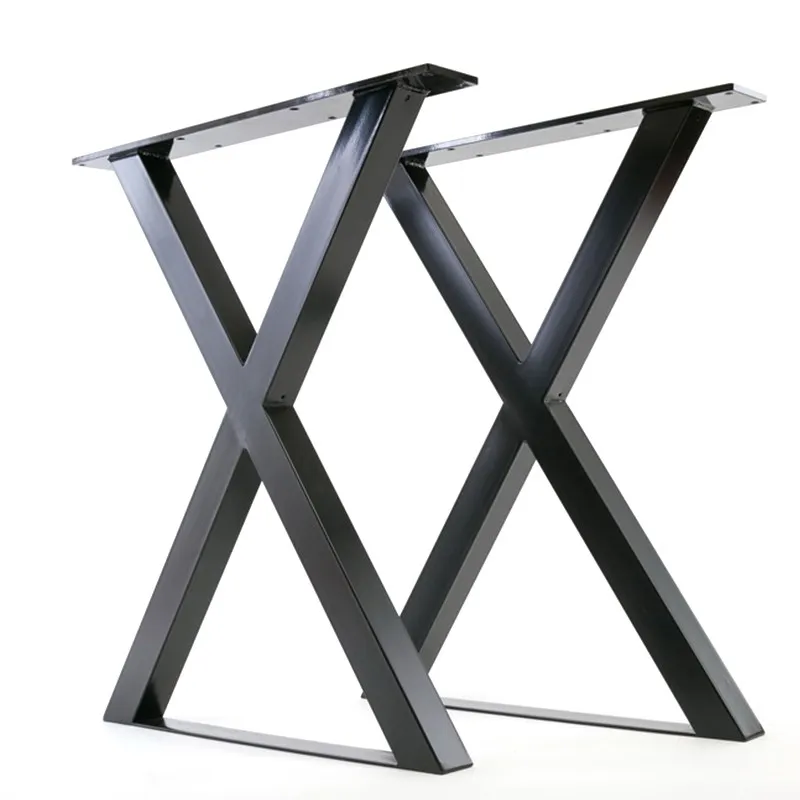
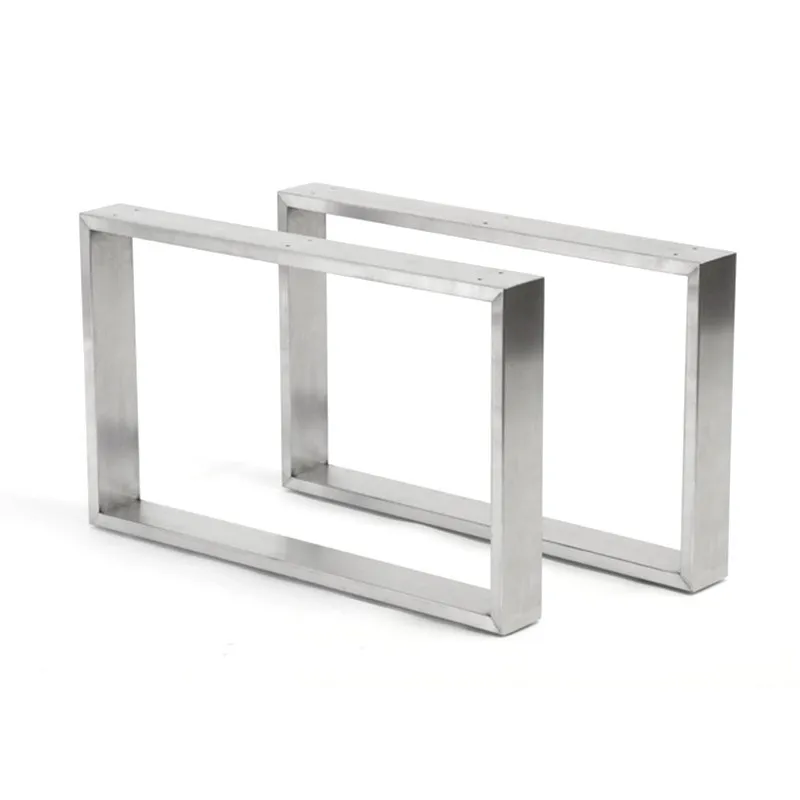
Dining Tables: The standard height for dining tables, including the legs, typically ranges between 28 to 30 inches (71 to 76 cm) from the floor to the tabletop. This height ensures most chairs fit comfortably beneath the table, and diners can sit and eat without strain.
Workbenches: For ergonomic efficiency, workbench legs are usually built to a height of 34 to 36 inches (86 to 91 cm). This ensures that workers can stand and perform tasks without bending excessively, avoiding unnecessary strain on the back.
Coffee Tables: Coffee table legs are shorter, generally measuring 16 to 18 inches (41 to 46 cm) in height. This keeps the coffee table level low to the ground for easy access while seated.
Beyond standard measurements, several factors can influence the height of table-mounted equipment legs:
Intended Use – Tables designed for specific uses, such as drafting or gaming, may require custom heights to improve user experience. User Comfort – Adjustable-height table legs cater to users of varying heights, especially in shared spaces. Floor Type – Uneven or delicate floors may require table legs with adjustable foot caps for balance and floor protection.
Understanding the purpose and users of your table-mounted equipment ensures that the height meets practical and ergonomic needs.
Metal table legs are highly sought after for their strength, versatility, and design appeal. Here’s a look at the most common types and their unique benefits:
Type | Applications | Key Benefits |
|---|---|---|
Straight Legs | Dining tables, desks, and coffee tables | Sleek, minimalist design; easy to install |
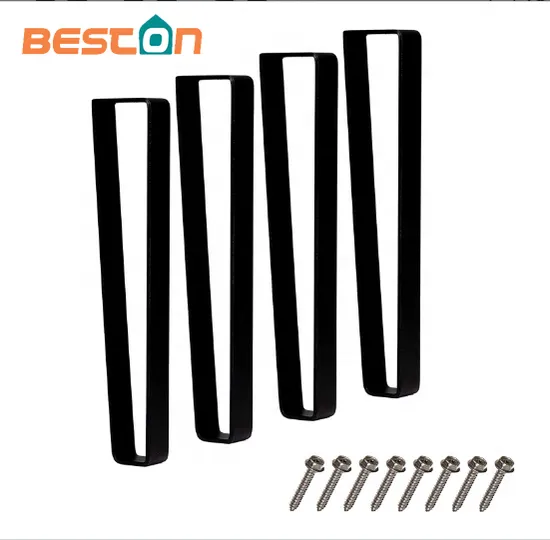
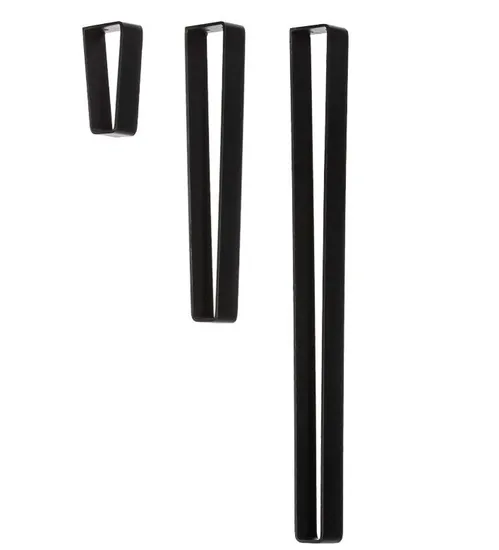
Hairpin Legs | Coffee tables, end tables, and consoles | Retro aesthetic; visually light |
Trestle Legs | Large dining tables and workbenches | Enhanced support and stability |
Industrial Pipe Legs | Kitchen islands, bar tables | Rugged, industrial style; heavy-duty |
Foldable Legs | Worktables and portable furniture | Space-saving; perfect for mobility |
Each style has its unique aesthetic and functionality, allowing users to create tables that suit their specific needs while adding a personal touch to their spaces.


Coffee tables are a staple in living rooms, anchoring the seating arrangement and serving as a surface for everything from beverages to décor. Choosing the right coffee table legs can elevate your design while ensuring the right balance of form and function.
Steel – Ideal for modern and industrial styles, steel legs are durable and often come in finishes like powder-coated black or brushed metal.
Aluminum – Lightweight but strong, aluminum legs work well for smaller coffee tables with a contemporary vibe.
Brass – For a luxurious appearance, brass legs offer warmth and elegance that complements classic or eclectic interiors.
Shape – Hairpin legs lend a mid-century modern appeal, whereas squared or tapered legs align with minimalist aesthetics.
Size – Thicker legs provide stability to larger tables, while thin or slim designs work well for smaller tables in compact spaces.
Height – Match the leg height to the couch’s seat level to ensure the coffee table is easily accessible without overcrowding the living area.
Small decisions like selecting the appropriate finish and style can make a significant difference in creating a harmonious, cohesive room design.
This FAQ section addresses some of the most common questions about table-mounted equipment and its components.
The height of table legs depends on the table's purpose. Dining table legs are typically 28–30 inches, coffee table legs measure 16–18 inches, and workbenches range from 34–36 inches for user comfort and functionality.
Materials like steel, brass, and aluminum are excellent choices for table legs due to their durability, versatility, and style. For tables requiring heavy-duty support, opt for steel or iron. For lightweight and sleek options, aluminum works well.
Yes, many table legs are available with adjustable heights or can be custom-made. Brands like Beston Hardware offer versatile leg designs that cater to personalized height requirements.
The height of your table-mounted equipment's legs significantly impacts both functionality and aesthetics. From choosing the right material and style to ensuring the legs meet standard height requirements, attention to detail matters when designing a table.
Metal table legs are a versatile and durable option that works for many scenarios. Whether you're selecting straight steel legs for a modern look or choosing industrial pipe legs for a rugged design, your table legs can enhance both style and usability.
Looking for high-quality table legs? Beston Hardware specializes in a wide range of premium table legs, including coffee table legs, dining table legs, and much more. With customized solutions and excellent customer support, Beston Hardware ensures superior results tailored to your needs.
For inquiries about their products, contact Beston Hardware at:
Email: sofia@bestonhardware.com
Phone: +86 13602319842
Make the right choice with Beston Hardware, where quality meets craftsmanship—perfecting every table, one leg at a time.


